
How urban blight affects Flint residents’ health, and what the city is doing to change that
Jenifer Veloso explores the multiple factors of urban blight that impacts the health and wellness of Flint residents. The city's multi-million dollar blight elimination plan aims to significantly reduce those factors within the next four years.
This article is part of the People-Centered Oversight Series, which aims to elevate the issues most affecting the Flint community. The series was created in partnership with Flint Beat and made possible by support from The Levin Center for Oversight and Democracy, and funding from the Charles Stewart Mott Foundation.
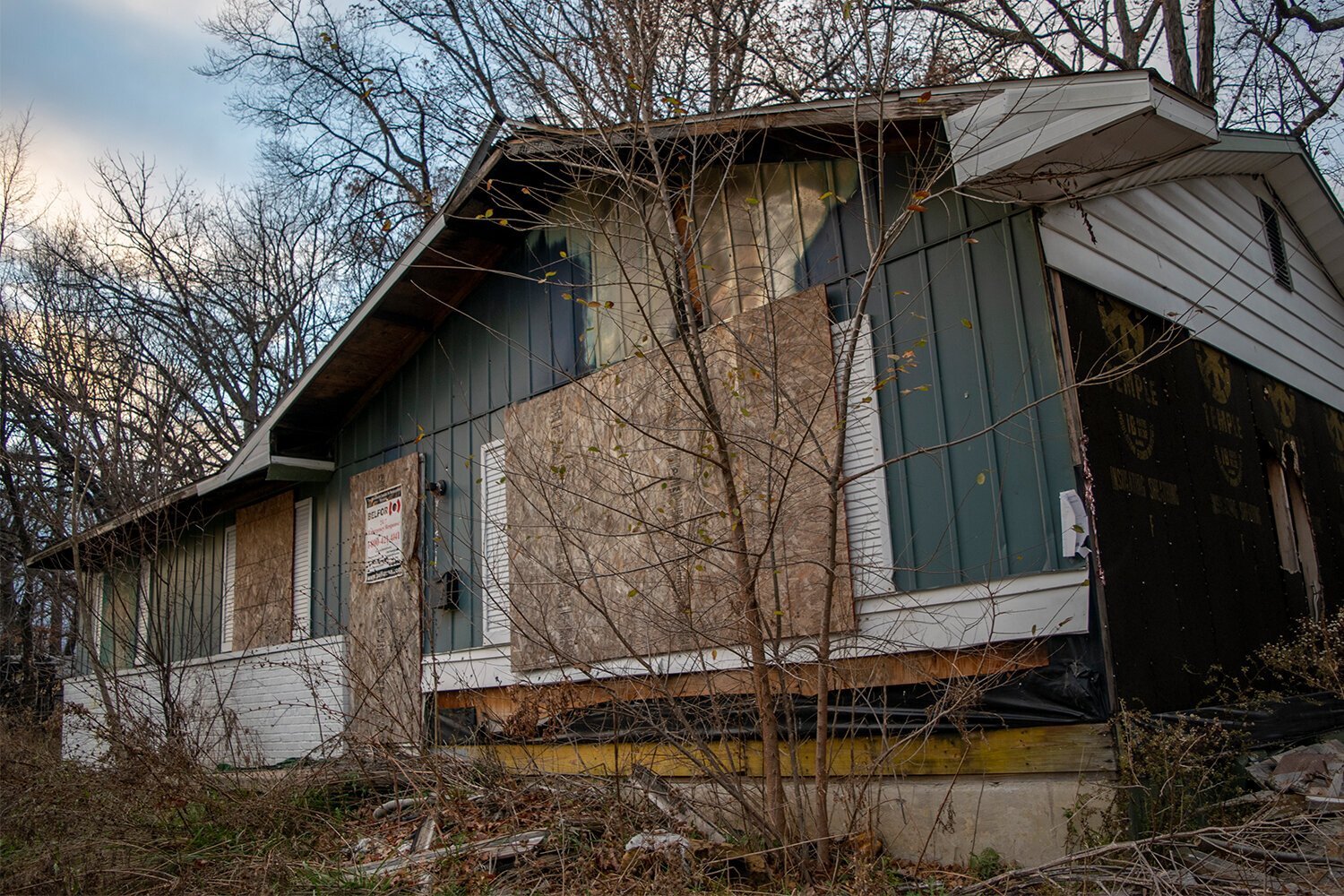
FLINT, Michigan — Urban blight is arguably one of the greatest factors impacting the health and morale of residential neighborhoods plagued with abandoned buildings, substandard housing, and vacant lots. Currently, there are approximately 24,000 vacant properties in Flint, representing more than 42% of all properties in the city.
Understanding how housing factors influence and impact Flint residents’ health is fundamental to finding solutions for blight elimination. Columbia University and Urban Institute released a research report in 2017 to raise awareness on the factors that lead to chronic physical and mental illness among people in communities that are constantly exposed to urban blight.
According to the report, three major factors that influence health and wellness in these communities are housing affordability, neighborhood conditions, and conditions within the home. Vacant and abandoned properties are one of the primary indicators of neighborhood-level distress. For example, living near vacant homes or lots can foster crime, strain social cohesion, and lead to lower literacy scores for elementary-age children. The lack of quality infrastructures such as sidewalks and parks is also associated with mental health disorders such as depression.
Cities that have remediated large areas filled with abandoned buildings have shown a decrease in mortality percentages. Data reported in 2016 on Philadelphia’s city-wide blight repairs showed a 39% reduction in gun violence.
In Flint, decades of disinvestment, redlining of Flint neighborhoods, and the overall decrease in population have led to the development of the city’s current need for the new countywide blight elimination project. The $43.7 million demolition project is funded by the Genesee County Land Bank Authority (GCLBA), the city of Flint, the Charles Stewart Mott Foundation, Genesee County, and federal funds.
Early morning, on Thursday, April 13, Flint residents were finally able to witness the first demolition of several hundred blighted properties plaguing neighborhoods. The project is managed by the Land Bank, which currently possesses 3,000 structures that need to be demolished.
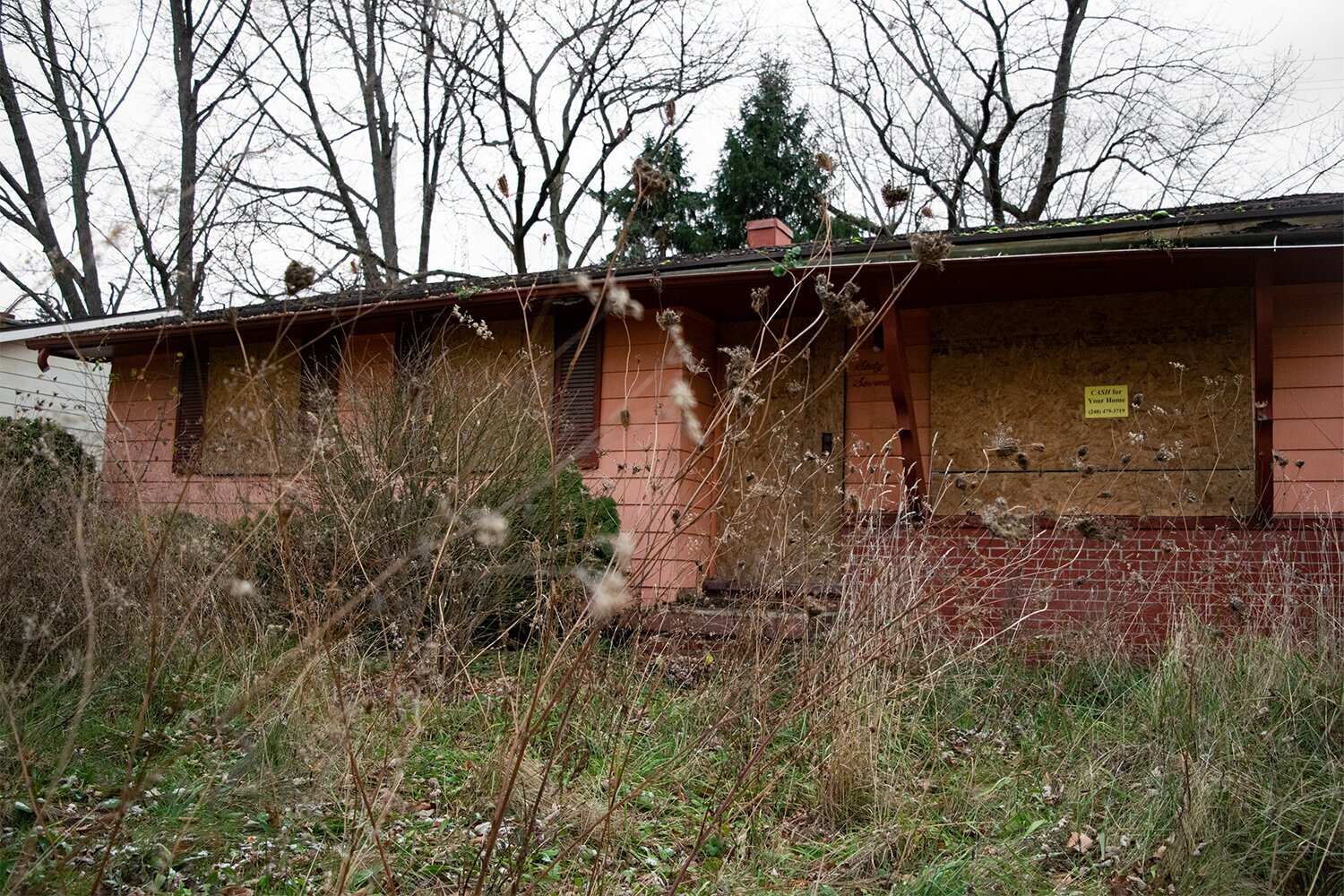
According to Professor Victoria Morckel (2017) from the University of Michigan-Flint, there have been three fundamental policy and planning failures within the city; sustained jobs and population losses, general lack of regional planning, and inability to fund and maintain infrastructures. These factors also contributed to the water crisis that began in 2016.
Learning from other cities’ initiatives can be inspiring and bring hope to the ongoing elimination project in Flint. Neighborhoods that offer the ability to live near green spaces have been associated with improved outcomes, including lower depression, anxiety, and stress levels.
The GCLBA demolition plan will be spread across a four-year time frame. Further support also comes from the recently signed State Bill 7 under Governor Whitmer, which states that each of the 10 largest land banks will receive a grant of $2.5 million to be used on local land bank responses to the demolition of vacant residential, commercial, or industrial structures, including reasonable and necessary costs directly related to demolition fees, plans and acquisitions of sites.
The restoration of vacant and abandoned spaces is a political strategy that can ultimately result in a significant reduction of persistent mental and physical health issues. The destruction of poor infrastructures alone will reduce exposures to poor air quality, lead poisoning, and infestations of animals capable of transmitting diseases.
To read more about Flint’s blight elimination project, visit: thelandbank.org
Author

Related Articles
Anna’s House construction moves forward at future Grand Blanc location
Anna’s House construction moves ahead in Grand Blanc with demolition and exterior upgrades underway.

How Explore Flint & Genesee Is Reframing Place, Pride, and Possibility
Explore Flint & Genesee’s Executive Director, Amari Steward, talks about the company’s new Brand Anthem video.

Flint & Genesee Economic Alliance awards grants to 25 local small businesses
Grants awarded to 25 Genesee County small businesses aim to boost growth, access, and local economic impact.